
Aluminium is one of the most sought-after metals and is used in high volumes across multiple industries, including defence, transport, construction, food & beverages, and electronics. But extraction of pure aluminium from the bauxite ore is quite expensive and hence shoots up the manufacturing cost of the end products. Additionally, cheap imports of aluminium products from the foreign markets put pressure on India's domestic rolled products industry. With India’s annual aluminium consumption projected to double by 2023 to 7.2 million tons, there is a dire need for an alternative to this.
Solution: Secondary Aluminium!
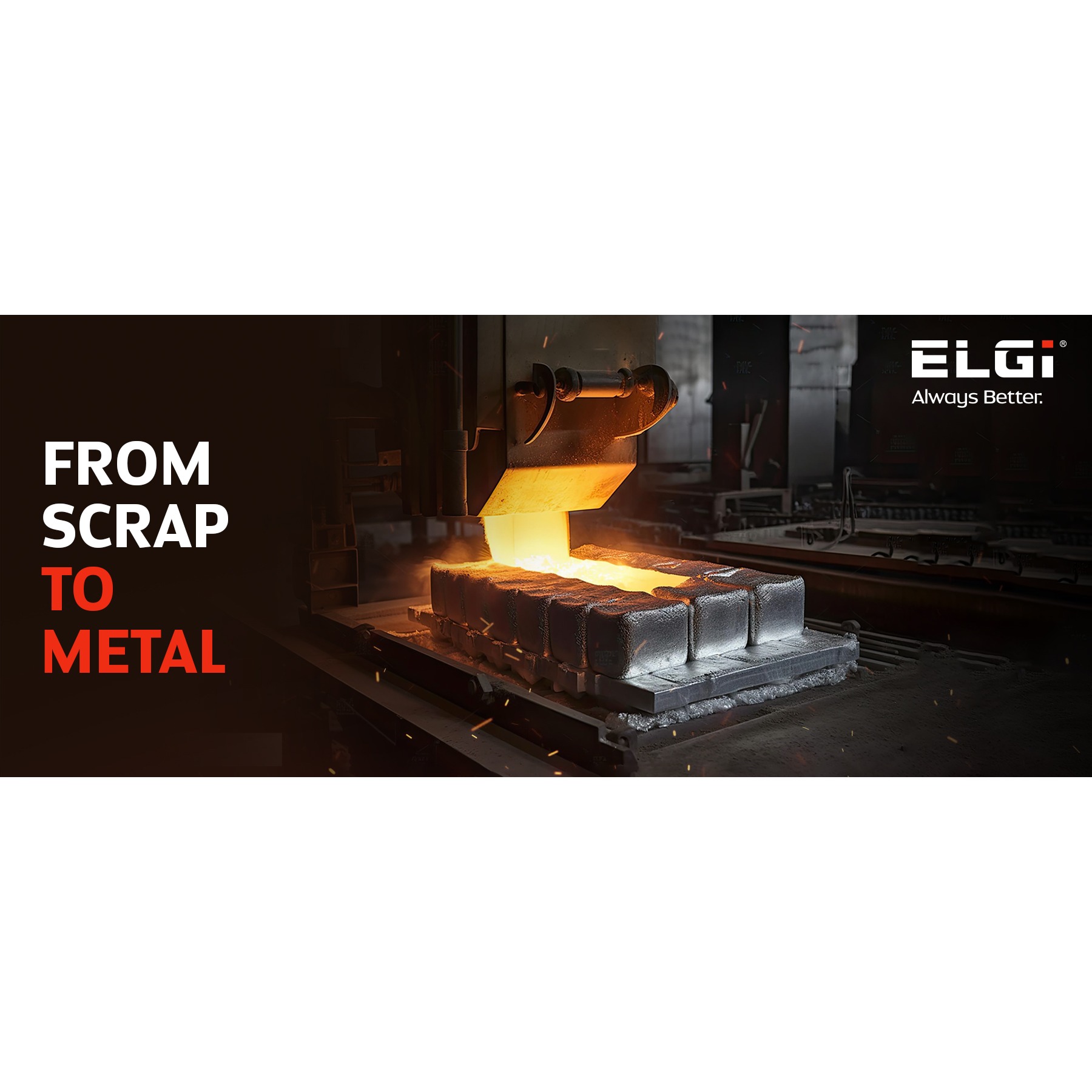
The large-scale demand and usage of aluminium, generates massive amounts of scrap. This scrap serves as the source for the secondary aluminium! It comprises around 30% of India's total aluminium consumption of 3.3 million tons annually. Recycling aluminium is environmentally friendly, as the process consumes 95% less energy than generating primary aluminium. And since the atomic structure of aluminium remains unaltered upon melting, it enables the usage of the molten metal for various applications. It has been observed that the demand for secondary aluminium has grown faster than primary aluminium due to better cost economics, especially in the price-sensitive automotive castings sector.
Our customer who is India's largest producer of aluminium and zinc die-casting alloys, has been tapping the potential of India's aluminium recycling industry. From setting up its first plant in Tatarpur, near New Delhi, our customer’s expanse has grown to 12 plants across the country. These plants have a combined annual capacity of approximately 310, 700 MT, making it the Rank One nationally in aluminium and zinc die-casting alloy production!
The plants have collection, segregation, processing, recycling, and treatment facilities for all types of secondary metal raw materials. The group also has joint ventures with renowned Japanese companies such as Toyota Tsusho Corporation and Nikkei MC Aluminium. Its most recent joint venture is for a plant in Gujarat, where the recycling of end-of-life vehicles (ELVs) is conducted through dismantling, shredding, and sorting.
Generating value for customers is the focus of the business, and there is constant attention to improving quality, controlling costs, and streamlining delivery. To ensure compliance with industry norms, the group has acquired ISO 14001, TS16949, 45001, and OHSAS 18001 certifications, along with other research and development certifications.
Our customer has a technology-focused approach in all its processes, making business activities more cost-effective and environmental-friendly.
Following are the steps involved in converting scrap metal into molten metal:
1)Manufacturing
Various steps are deployed to improve metal recovery rates while saving fuel costs. High-pressure hot air is used to vaporize ink from the surface, regenerative burners heat the metal, de-coaters remove the scales to reduce dross, and furnace circulation maintains temperature.
2)Segregation
Segregation is a critical step that ensures no impurities or contaminants enter the furnace. The process is mechanized using floatation systems, induction-based sorting systems, colour sorters, rotary sieves, eddy current separators, gravimetric separators, and shredders. Combining these pieces of equipment helps maintain the quality of the recycled aluminium.
3)Delivery
The molten metal obtained at the end of the process meets industry standards and is ready for delivery. However, specially designed ladles and trucks are used for transportation, as it is necessary to maintain the temperature of the molten metal during transit. Anti-pollution control mechanisms and baghouses are also used to reduce harmful emissions.
The Stumbling Block -
Despite the smart energy-saving techniques, our customer’s non-ferrous recycling plants needed high-quality air processors to ensure that each shred of aluminium was free from contaminants and decorations before being added to the furnace. This was critical because the foreign particles could disrupt the quality of the aluminium recycled and would also increase fuel costs.
So, the challenge was to deploy an air system that could provide the highest quality of hot air as it would directly impact the product quality and cost.
Compressed air solution by ELGi -
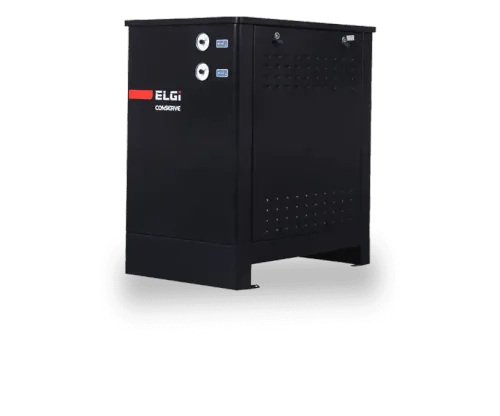
Our customer decided to install EG 22, EG 30, EG 37, EG 55, and EG 110 models of ELGi Screw Compressors across all their plants.
Each compressor was enabled with DCS and SCADA remote monitoring to ease operations. Additionally, every compressor met the highest air purity standards as per ISO regulations, maintaining a constant flow of hot air while ensuring the raw material was contaminant-free. In short, ELGi's EG Series Screw Air Compressors ensured that the metal recycling plants processed more shreds of aluminium at a much faster pace and that too with least downtime.